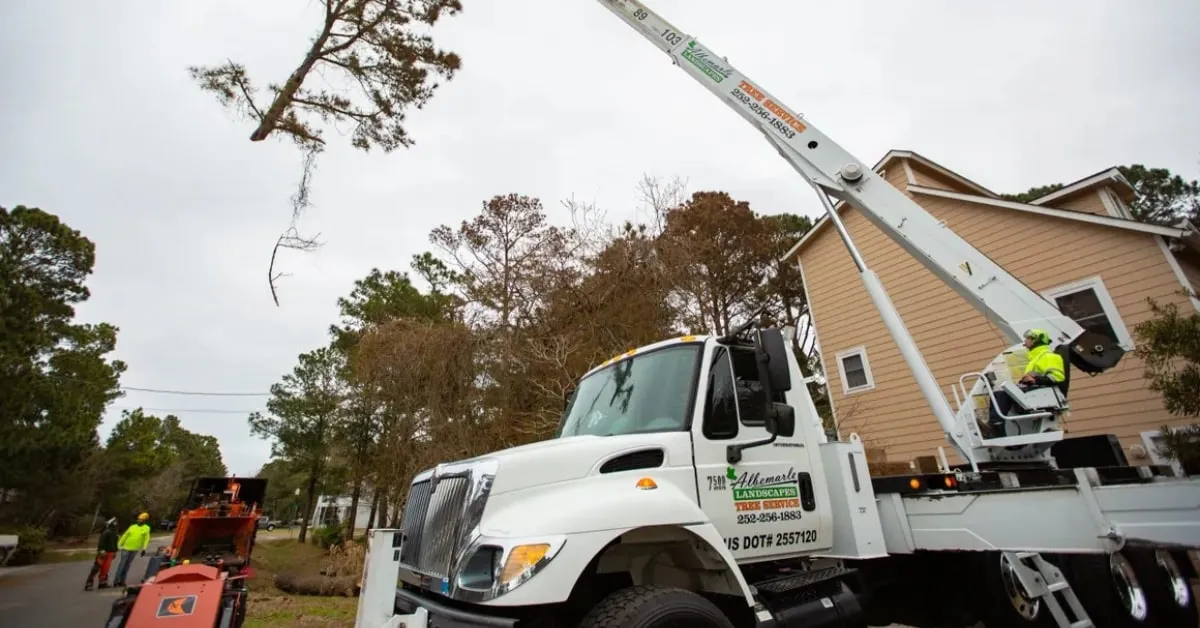
When Storms Leave a Mess Behind
October 5, 2025
It usually happens suddenly. A strong wind gust overnight, a heavy rainstorm, or even a weakened tree that finally gives way. By morning, a large oak may be blocking your driveway, a pine may be leaning across your roof, or scattered limbs may litter your yard. For homeowners in the Outer Banks and surrounding areas, fallen trees are not just an inconvenience. They can be a real hazard to families, property, and even community infrastructure.
The uncertainty is stressful. Do you try to move it yourself? Do you call the city? Do you need a permit before clearing it? In many Outer Banks towns, you may need approval if the fallen tree is larger than 6 inches DBH or if it is a protected species, though emergency exceptions apply when safety is at risk. These questions come quickly, especially when a downed tree has damaged your roof, car, or power lines. The good news is that there are safe, proven steps for handling fallen trees. With professional guidance, prompt action, and preventative care, you can turn a dangerous situation into a manageable one.
Immediate Safety Concerns After a Tree Falls
Stay Away From Power Lines
A fallen tree tangled with power lines is one of the most dangerous post-storm hazards. Never approach or try to move the tree. Instead, call your local utility company and wait for clearance before any cleanup begins.
Check for Structural Damage
Inspect your home, garage, fences, or vehicles for signs of impact. If a tree has penetrated your roof or walls, evacuate the area until professionals confirm it is safe.
Avoid Using Chainsaws Without Training
Chainsaws are powerful and dangerous, especially in unstable conditions. Homeowners attempting DIY removal often face injuries when branches shift unexpectedly. If you are not trained and equipped, leave this job to licensed professionals.
Who is Responsible for a Fallen Tree?
On Your Property
If a tree falls within your property boundaries, you are generally responsible for arranging its removal and addressing any related damage. In most cases, homeowner’s insurance may help cover repairs if the fallen tree damages a covered structure. The complexity of removal depends on factors like the tree’s size, location, and condition. Larger or hazardous trees, especially those near power lines or structures, often require professional crews with specialized equipment such as cranes. Emergency removals may also involve additional considerations if work is needed at night or under storm conditions.
On a Neighbor’s Property
When a healthy tree from your yard falls into a neighbor’s property due to a storm, most insurance policies treat it as an “act of God.” In that case, your neighbor’s insurance typically covers their repairs. However, if you ignore obvious hazards (like a dead or rotting tree), you may be held liable.
On Public Land
If a tree blocks a road or falls into public space, report it to your town or county immediately. Municipal crews will typically handle clearing from roads, sidewalks, and utility easements. In coastal communities, authorities may also ask you to document the hazard before removal.
Insurance Coverage for Fallen Trees
- Homeowner’s Policies: Generally cover damage from fallen trees if caused by a storm, wind, or lightning. They may not cover damage from neglect.
- Detached Structures: Sheds, fences, and garages are often covered, but limits vary by policy.
- Tree Replacement: Insurance rarely covers replacing the tree itself unless it damages a structure.
- Cleanup Costs: Some policies include debris removal allowances, but only if the tree damages a covered structure.
Always review your policy details and call your insurer promptly after a tree falls.
Fallen Tree Removal and Cleanup Process
Step 1: Document the Damage
Take photos and videos before moving anything. This documentation supports insurance claims and protects you from disputes.
Step 2: Call Professionals
Licensed tree service companies have the equipment and training to handle large removals safely. They also understand local ordinances, permit requirements, and disposal rules.
Step 3: Secure the Area
Keep children, pets, and vehicles away until the site is clear. Barricades, caution tape, or simple rope can keep others safe.
Step 4: Cleanup and Disposal
Professional crews will cut, haul, and dispose of wood and debris according to municipal regulations. Some homeowners may choose to repurpose wood for firewood or mulch, but this should only be done once safety is assured.
Preventing Future Tree Hazards
Regular Tree Inspections
Schedule annual or seasonal inspections with a qualified arborist. They can identify weak branches, root issues, and early signs of disease before they cause problems.
Pruning and Trimming
Routine trimming reduces the weight on branches and prevents wind damage. Focus on removing deadwood, thinning crowded canopies, and clearing limbs close to roofs and power lines.
Soil and Root Care
Healthy roots keep trees stable. Avoid compacting soil near trunks and ensure trees have proper drainage to prevent root rot.
Storm Preparation
Before hurricane season, secure outdoor furniture, prune weak branches, and assess trees most likely to fall during high winds. Always wait for official all-clear announcements after a storm before beginning cleanup.
Professional Preventative Services
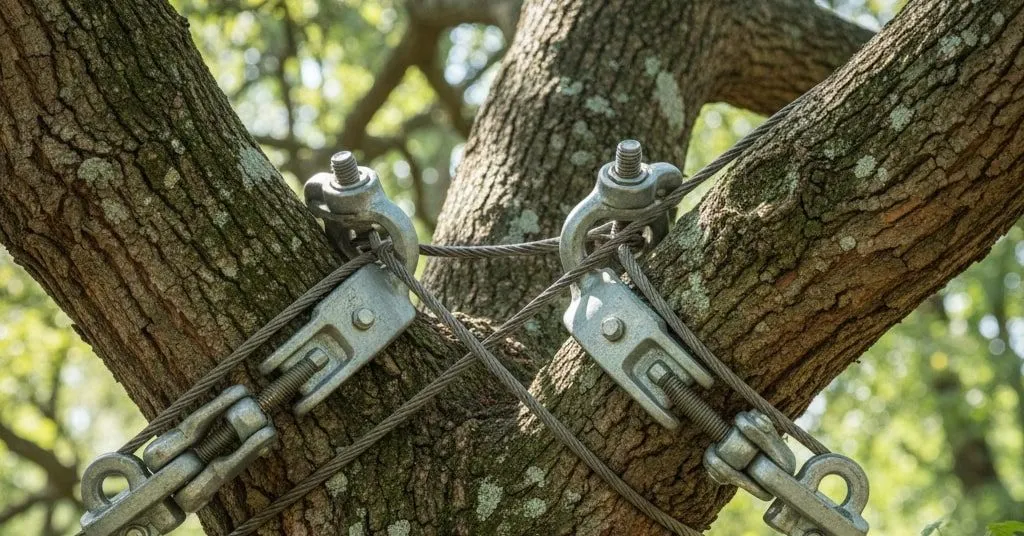
Tree service providers in the Outer Banks offer cabling, bracing, and fertilization to improve tree health and reduce risks.
Environmental and Community Considerations
Fallen trees can disrupt more than just your property. They may block evacuation routes, damage power lines, or harm protected coastal habitats. Local municipalities encourage safe removal while also protecting the environment. Always check local guidelines before large-scale clearing. Certain species may be regulated, and coordination with local planning offices is often required.
Steps to Handle Fallen Trees
| Step | Action | Key Point |
| 1 | Stay safe | Keep away from power lines and unstable structures |
| 2 | Assess responsibility | Determine if the tree is on your property, your neighbor’s, or public land |
| 3 | Call insurance | Report damage and review coverage |
| 4 | Hire professionals | Licensed crews ensure safe and legal removal |
| 5 | Prevent future hazards | Schedule inspections, pruning, and storm prep |
Local Regulations and Permits for Tree Removal
In many Outer Banks towns, tree removal is not as simple as cutting and hauling. Local governments regulate tree work to protect coastal forests, preserve dune stability, and maintain community aesthetics. Before removing a fallen or damaged tree, check with your town planning or public works office:
- Permit Thresholds: Many municipalities require permits for removing trees over 6 inches DBH (diameter at breast height), even if storm-damaged. Emergency exceptions apply, but you may still need to document the removal.
- Protected Species: Some coastal pines, live oaks, or dune-stabilizing shrubs may fall under conservation rules. Removing them without approval could result in fines.
- HOA Rules: If your home is in a managed community, homeowners’ associations may have additional tree care or replacement requirements.
- Disposal Restrictions: Local waste facilities often limit bulk wood drop-offs. Professional tree services know how to comply with these rules and handle permits on your behalf.
Understanding these requirements before cutting saves time, avoids penalties, and ensures you stay compliant with both environmental and community standards.
Eco-Friendly Ways to Reuse and Recycle Fallen Trees
While storm damage is stressful, fallen trees do not always have to go to waste. With the right approach, much of the wood can be repurposed or recycled instead of being dumped.
- Mulch and Wood Chips: Branches and small limbs can be chipped into mulch, protecting garden soil and retaining moisture.
- Firewood: If the wood is safe (not diseased or insect-infested), larger logs can be cut, seasoned, and stored for firewood.
- Habitat Creation: In some cases, leaving sections of trunk or branches on the ground provides shelter for wildlife and promotes soil health.
- Woodcraft and Furniture: Local craftsmen sometimes salvage storm-fallen hardwoods for custom furniture, décor, or art pieces.
- Municipal Recycling Programs: Many coastal towns offer seasonal debris pickup where wood is repurposed into public mulch or biofuel.
Choosing eco-friendly disposal methods reduces landfill use, supports local ecosystems, and turns a stressful cleanup into an opportunity for sustainability.
FAQs About Fallen Trees
What should I do first if a tree falls on my house?
Evacuate immediately, call emergency services if needed, and contact your insurance company. Do not attempt to remove the tree yourself.
Can I remove a fallen tree myself?
Small branches can be cleared, but large trees or any near power lines should be handled by professionals for safety and compliance.
Will insurance cover the cost of removal?
Most policies cover removal if the tree damages a covered structure. If it falls without causing damage, coverage may be limited.
How can I tell if a tree is at risk of falling?
Look for leaning trunks, cracked branches, hollow spots, fungus growth, or exposed roots. An arborist can give a professional risk assessment.
Who pays if my neighbor’s tree falls on my property?
Generally, your insurance covers your property. However, if the tree was clearly hazardous and neglected, you may pursue liability from your neighbor.
Final Thoughts: Turning Risk Into Readiness
Fallen trees can feel overwhelming, but with the right steps, you can handle them safely, reduce financial stress, and prevent future issues. Acting quickly protects your family and your home while ensuring compliance with local rules. The best defense is preparation: regular inspections, professional pruning, and quick action when storms strike.
With expert help from local tree services, Outer Banks homeowners can turn the challenge of fallen trees into an opportunity to strengthen their property and community resilience.
For fast, safe, and professional tree removal or preventative care in the Outer Banks, contact Albemarle Landscapes and Tree Service today.