November 13, 2025
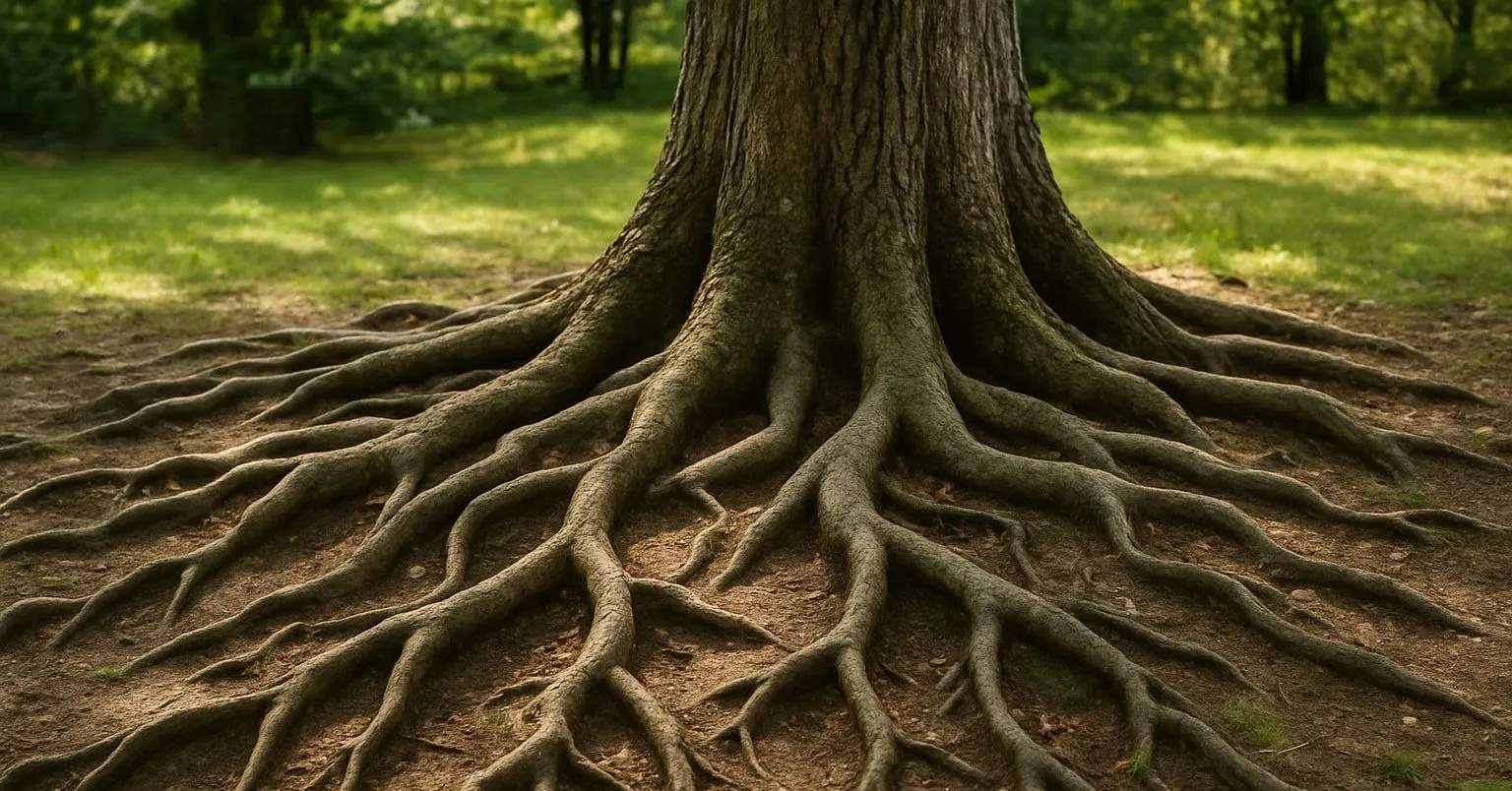
Tree roots are the foundation of any healthy tree, but when they become exposed or start damaging nearby surfaces, they can quickly turn from vital to troublesome. Whether they’re cracking driveways, lifting sidewalks, or creating tripping hazards, exposed roots demand the right balance of protection and management. Understanding what causes roots to surface and how to handle them properly is key to preserving both your tree’s health and your property’s safety.
This guide covers why roots become exposed, what risks they pose, and the best ways to manage or prevent damage without harming your trees.
What Causes Tree Roots to Become Exposed
Tree roots are designed to anchor the tree and absorb water and nutrients from the soil. Typically, most roots grow in the top 12 to 18 inches of soil. Over time, several factors can cause those roots to rise closer to the surface:
- Soil erosion: Heavy rain, wind, or runoff can wash away the upper layer of soil, leaving roots partially visible. This is common in sloped yards or areas with poor drainage.
- Shallow root systems: Certain tree species naturally grow shallow root systems, like maples, willows, poplars, and oaks. These roots spread widely near the surface in search of oxygen and nutrients.
- Compacted soil: When soil becomes too dense from foot traffic, vehicles, or construction, roots struggle to grow downward. Instead, they spread closer to the surface.
- Age and growth patterns: As trees mature, their root systems expand. Over decades, roots that once grew several inches below the surface can push upward as they thicken.
- Improper planting depth. If a tree is planted too shallowly, its root flare (the base where the trunk meets the roots) may sit above ground, leading to exposed roots early in the tree’s life.
Why Exposed Roots Are a Problem
While visible roots might seem harmless, they can cause issues for both the tree and your property.
- Physical property damage: Roots can lift and crack sidewalks, driveways, and patios. As they grow and expand, they exert pressure that causes concrete to buckle.
- Tripping hazards: In lawns or landscaped areas, surface roots create uneven ground, posing a safety risk for kids, pets, and visitors.
- Lawn care complications: Mowing over exposed roots can damage both the mower and the roots themselves. Damaged roots are vulnerable to disease and decay.
- Tree health decline: Cutting or covering roots improperly can stress the tree, reducing its ability to absorb nutrients and water.
- Increased drought stress: Roots close to the surface dry out faster, especially during summer heat. Without proper mulching and watering, trees can show signs of decline.
What Not to Do With Exposed Roots
Before deciding on a fix, it’s important to avoid common mistakes that cause more harm than good.
- Don’t cut major roots: Cutting large roots can destabilize the tree, reduce its water and nutrient uptake, and even lead to tree death. Removing more than 25% of a tree’s roots is almost always fatal.
- Don’t pile soil or mulch directly on top: Adding too much soil or mulch around the base of the tree can suffocate roots by reducing oxygen flow. This also encourages root rot and pest infestations.
- Don’t use concrete or hardscape to hide roots: Covering roots with hard materials doesn’t solve the problem; it traps moisture and can cause decay. Instead, look for natural ways to protect and manage them.
How to Safely Manage Exposed or Problematic Roots
The right approach depends on the tree’s health, location, and how much damage has occurred. Here are safe, proven ways to handle exposed roots without compromising stability.
1. Apply a light mulch layer
Cover the exposed area with 2 to 3 inches of organic mulch (like wood chips or shredded bark). This protects roots from sun exposure, keeps soil moist, and reduces compaction. Avoid piling mulch directly against the trunk—keep a few inches of space around the base.
2. Add topsoil sparingly
A thin layer of soil (no more than 1–2 inches) can help level the area. Overfilling or burying roots too deeply cuts off oxygen and damages the tree.
3. Create a mulch bed or tree island
If roots spread across a large area, turn that space into a mulch bed instead of forcing grass to grow there. This approach eliminates mowing hazards and looks intentional. Use edging stones or natural borders to define the area.
4. Install root barriers (for new plantings)
If you’re planting new trees near sidewalks or foundations, install root barriers early. These underground panels guide roots downward, preventing future surface damage.
5. Aerate compacted soil
Soil compaction limits root growth and oxygen flow. A professional arborist can perform vertical mulching or air spading to loosen soil around roots without cutting them.
6. Repair damaged hardscape correctly
For sidewalks or driveways already affected by roots, replacing entire slabs or rerouting pathways around roots is often better than grinding them down. Cutting the root should be a last resort, done only by an experienced arborist.
7. Replant if the tree is too close to structures
If a mature tree is planted too close to your home or driveway, relocation isn’t realistic, but future prevention is. When removing problematic trees, choose replacement species with less aggressive root systems and give them ample space to grow.
Preventing Future Root Problems
Many exposed-root issues trace back to early mistakes in planting and landscape design. Planning can save years of trouble.
- Choose the right tree for the right space: Avoid large species like silver maples or sweetgums near driveways and foundations. Opt for trees with smaller, deeper root systems, such as dogwood, crape myrtle, or serviceberry.
- Plant at the correct depth: The root flare should be visible just above the soil line. Planting too deeply encourages roots to grow upward in search of air.
- Maintain consistent watering and mulching: Trees under stress from drought often develop shallow roots. Regular watering and mulching help keep roots stable and deep.
- Avoid compacting soil around trees: Keep vehicles, heavy equipment, and frequent foot traffic away from the root zone. Use stepping stones or gravel paths to redirect movement.
- Schedule regular tree inspections: An arborist can identify root issues early before they cause damage. Annual or biannual checkups are worthwhile, especially for mature or high-value trees.
Signs Your Tree May Need Professional Help
Not all root issues can be handled through DIY fixes. If you notice any of the following, it’s best to call a professional tree service:
- Roots breaking through hard surfaces or pushing up large areas of concrete.
- Exposed roots showing signs of decay, fungus, or cracking.
- Leaning or instability, especially after storms or heavy rain.
- Trees near foundations or driveways are showing stress or structural imbalance.
- Visible girdling roots (roots circling the base of the tree and choking the trunk).
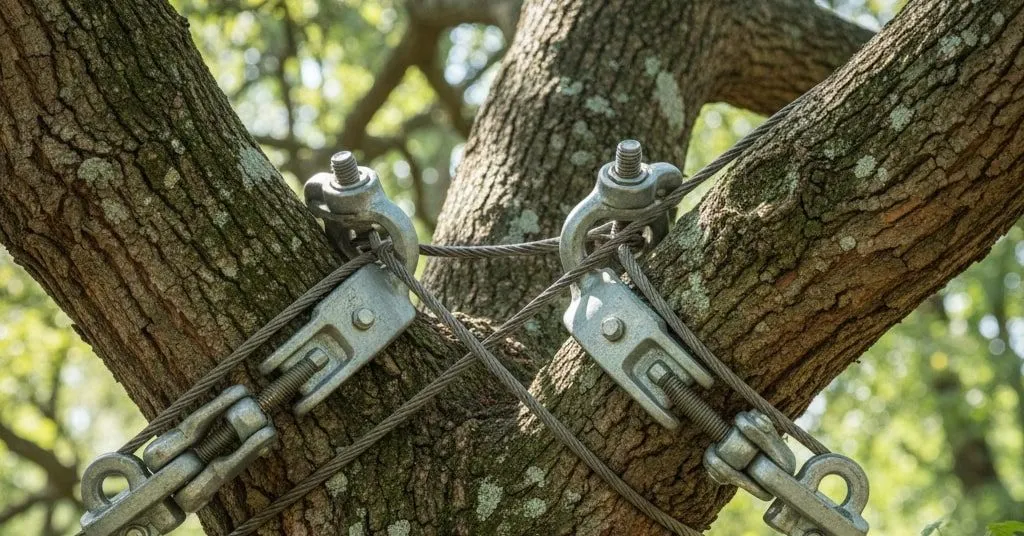
Professional arborists can evaluate the tree’s structure, root health, and stability. They can recommend selective root pruning, soil remediation, or support systems like cabling and bracing.
When Tree Root Damage Requires Removal
In some cases, roots cause structural instability that can’t be corrected through pruning or aeration. For example:
- The tree is lifting sidewalks or driveways beyond repair.
- Major roots threaten underground utilities or the home’s foundation.
- More than 25% of roots need to be removed to prevent property damage.
- The tree leans dangerously after heavy storms.
If removal becomes necessary, professional crane-assisted tree removal ensures safety and minimal landscape disruption. Albemarle Landscapes’ experienced team uses controlled lifts to protect nearby structures while safely removing large or hazardous trees.
How to Maintain Trees After Root Exposure Treatment
Once root issues have been addressed, ongoing maintenance ensures your tree continues to thrive:
- Monitor soil moisture regularly: Keep soil evenly moist but not soggy.
- Reapply mulch every 6–12 months: Maintain a 2–3-inch layer.
- Watch for new surface roots: Address them early with mulch beds.
- Inspect for pests or fungal growth: Exposed roots attract insects and rot if not protected.
- Schedule annual inspections: A professional arborist can track growth and catch issues early.
Healthy trees add shade, beauty, and value to your property. Taking the time to manage roots properly helps them live longer and remain stable even in harsh coastal weather.
FAQs About Exposed or Problematic Tree Roots
What causes tree roots to become exposed?
Tree roots rise to the surface due to soil erosion, compacted soil, shallow-rooted species, or improper planting depth. As trees age, their expanding root systems can also naturally push upward through the soil.
Are exposed tree roots a sign of tree health problems?
Not always. Exposed roots can result from natural growth or soil conditions rather than disease. However, they can become vulnerable to damage, which may eventually harm the tree if not managed properly.
Can I cover exposed roots with soil or mulch?
You can lightly cover roots with 2–3 inches of mulch, but avoid piling soil or mulch directly against the trunk. Deep coverage restricts oxygen flow and can cause root rot or decay.
Should I cut exposed tree roots to prevent property damage?
Cutting large roots can destabilize or even kill the tree. If roots are damaging concrete or structures, contact a Professional arborist to assess whether selective root pruning or rerouting is possible.
How do I prevent roots from lifting sidewalks or driveways?
Install root barriers when planting new trees and choose species with non-aggressive root systems. For existing trees, rerouting pathways or using flexible paving materials may help prevent damage.
When should I call a professional for root problems?
If you see cracking pavement, leaning trees, or decaying roots, call a professional tree service immediately. An arborist can safely evaluate the situation and recommend treatments like root pruning, aeration, or stabilization.
Final Advice from Albemarle Landscapes & Tree Service
Exposed or problematic tree roots aren’t something to ignore or rush to fix with drastic measures. With the right care, you can protect both your property and the tree’s health. Whether you’re dealing with surface roots cracking concrete or erosion revealing buried roots, the safest approach often starts with expert advice.
If you’re in Kitty Hawk, Nags Head, or Kill Devil Hills and need help managing exposed or damaged roots, reach out to Albemarle Landscapes and Tree Service. Our Professional arborists provide free consultations, 24/7 emergency service, and guaranteed workmanship on all tree care projects.
Don’t take risks. Call Albemarle Landscapes & Tree Service today for a professional site assessment and safe root removal.