December 18, 2025
A powerful storm hits overnight. By morning, a heavy limb has torn through your roof and left your yard in chaos. You call your insurance company expecting quick help, only to learn the claim’s been denied.
That shock is more common than most homeowners realize. Tree damage coverage depends on how the tree fell, what it hit, and whether the property was properly maintained before the storm. One missed detail in your policy or maintenance record can mean thousands in uncovered costs.
This guide breaks down the top reasons insurance companies deny tree damage claims in the OBX and what you can do right now to prevent it from happening to you.
Common Reasons Insurance Companies Deny Tree Damage Claims
The Tree Did Not Damage an Insured Structure
Homeowners insurance typically covers damage to your home and other insured structures, such as garages, sheds, and fences. However, if a tree falls in your yard and does not damage an insured structure, most insurers won’t cover removal costs or cleanup.
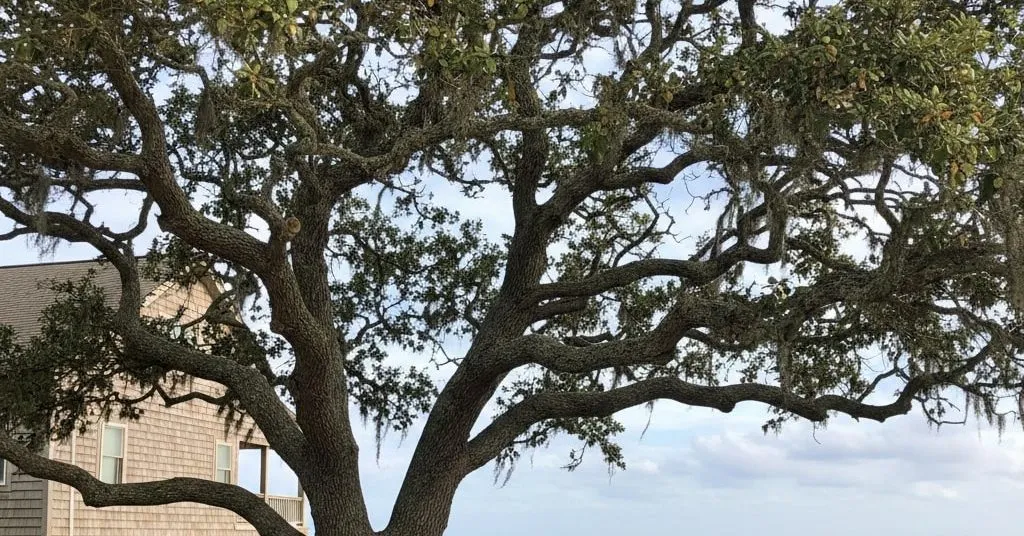
For example, if a healthy oak tree falls during a storm but only lands in your backyard without touching your home or fence, the cleanup is usually considered the homeowner’s responsibility. Some policies may provide limited coverage for tree removal, but it often comes with a cap on the amount reimbursed.
The Cause of the Tree Fall Is Not a Covered Peril
Insurance policies specify what types of perils they cover. Common covered perils include windstorms, lightning, hail, and fire. If a tree falls because of an uncovered cause, such as disease, rot, termite damage, or gradual decay, your claim may be denied.
For instance, if a tree with extensive root rot falls in mild weather, the insurer can argue that the fall was due to poor maintenance rather than a sudden covered event. Similarly, some homeowners in high-risk areas may find windstorm or hail excluded from their policy altogether. Always check your policy to see which perils are covered and which are excluded.
The Tree Was Not Properly Maintained
Insurance companies expect homeowners to take reasonable care of their property. If the fallen tree showed visible signs of decay, damage, or disease before it fell, your insurer may consider it a case of negligence and deny your claim.
For example, if an arborist had previously warned that the tree was unsafe or your neighbors reported concerns, the insurer can argue that you should have removed or trimmed it earlier. Proper maintenance is key to showing that you acted responsibly.
Delay in Reporting or Incomplete Documentation
Timing and documentation play a big role in whether your claim is approved. Most policies require that you report damage as soon as possible after it occurs. If you delay or fail to provide sufficient evidence, your insurer might deny the claim.
To strengthen your case, document everything immediately after the incident. Take clear photos of the fallen tree, the damaged structure, and the surrounding area. Save any weather alerts or storm warnings that support your claim. Keep receipts for emergency repairs, such as roof tarps or debris removal. Delays or missing documentation can make it seem like the damage occurred under different circumstances.
The Tree Fell on Property Not Covered by Your Policy
If a tree damages property that is not listed under your policy, the insurer will not cover it. For example, if a tree falls on a car, that damage typically falls under auto insurance, not homeowners’ insurance. Similarly, if the tree damages a detached structure not named in your policy, such as a gazebo or guesthouse, the insurer might deny coverage unless that structure is specifically insured.
The Tree Belongs to a Neighbor or Another Property Owner
Claims involving trees that fall from neighboring properties can become complicated. If your neighbor’s tree falls on your house, your insurer usually covers the damage unless you can prove the neighbor’s negligence. Conversely, if your tree damages your neighbor’s property, their insurer will typically handle the claim unless they can show that you ignored a known hazard.
Proving negligence requires documentation, such as arborist reports, prior complaints, or official notices. If neither party can prove negligence, each homeowner’s insurance typically covers their own property.
Insufficient Coverage or Policy Gaps
Sometimes, claims are denied simply because the policy does not provide enough coverage. Many homeowners are unaware that their policy includes caps on tree removal or debris cleanup. These limits might only cover a fraction of the cost. Others may find that they need special endorsements or riders for storm-prone areas.
Review your policy limits annually to ensure they still meet your needs, especially if you live in a region with frequent storms, hurricanes, or heavy winds.
How to Avoid Tree Damage Claim Denials
Maintain Your Trees and Property
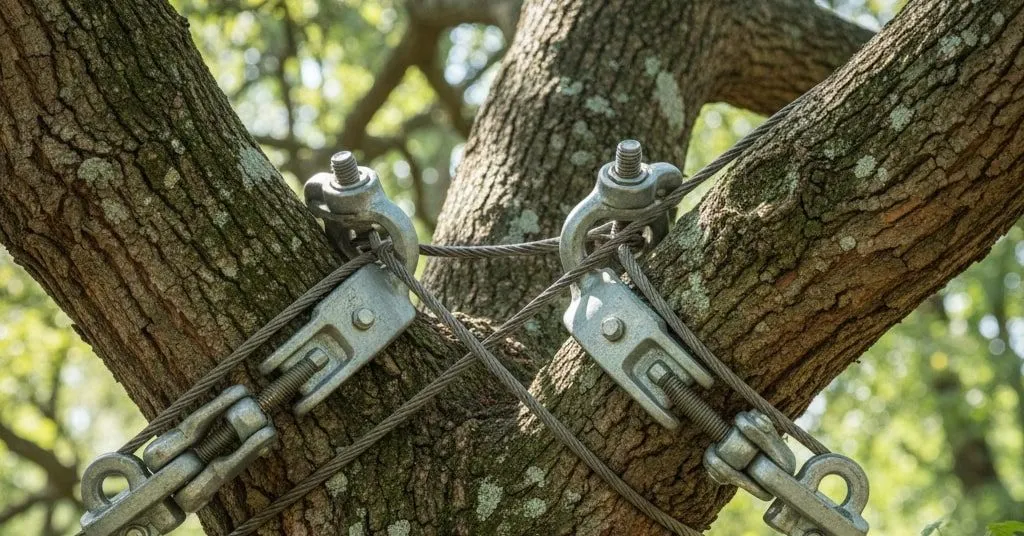
Regular maintenance is the best way to avoid claim denials. Schedule annual inspections by a qualified arborist to identify potential hazards. Look for signs of disease, dead branches, leaning trunks, or root instability. Trim branches that hang over your home, garage, or power lines.
Keep records of all maintenance work, including invoices, inspection reports, and photos. These documents show that you acted responsibly and can serve as proof if you ever need to file a claim.
Understand Your Insurance Policy
Homeowners should review their insurance policies at least once a year. Look at what perils are covered and excluded. Pay attention to policy sections about wind, hail, or tree removal. Ask your agent about coverage limits for debris removal and whether separate endorsements are needed for certain risks.
Knowing your policy details helps you set realistic expectations and avoid surprises after a storm. If your area experiences frequent storms or hurricanes, you may need a special windstorm or flood policy to fill coverage gaps.
Document Everything Before and After Damage
Proactive documentation can make all the difference when filing a claim. Take photos or videos of your property before storm season, showing the condition of trees, fences, and structures. Store these files safely in the cloud or on an external drive.
After a storm, take new photos and videos showing the tree’s position, the damage, and the surrounding debris. Gather witness statements if neighbors saw the fall occur. Keep receipts for all temporary repairs or cleanup expenses. Detailed evidence makes it harder for the insurer to dispute your claim.
Act Quickly After Damage Occurs
If a tree falls on your property, prioritize safety first. Stay away from downed power lines and avoid entering damaged structures until they are inspected. Contact emergency services if necessary.
Once safe, notify your insurance company immediately. Most insurers have 24-hour hotlines for emergency claims. Provide clear photos, estimates, and repair invoices. Avoid removing the tree or altering the damage until an adjuster inspects the site unless it poses an immediate hazard.
Strengthen Your Coverage Before You Need It
If you live in an area with frequent storms, invest in additional protection. Consider adding endorsements for debris removal, wind damage, or tree replacement. These add-ons usually come at a modest premium but can save thousands later.
You can also increase your overall coverage limits to ensure the cost of removing large trees or repairing extensive structural damage is fully reimbursed. Speak with your agent to compare options and update your policy accordingly.
Communicate Clearly with Your Insurance Adjuster
When filing a claim, your communication with the insurance adjuster matters. Be honest, clear, and consistent about what happened. Provide all requested documents promptly and keep a record of every conversation. If you feel the adjuster’s assessment is unfair, you have the right to request a second opinion or hire an independent adjuster.
If your claim is denied, ask for the reason in writing. Review the policy clauses cited in the denial and compare them to your situation. You can appeal or seek legal advice if you believe the denial was unjustified.
Prepare for the Unexpected
Tree damage can occur at any time, and having a response plan helps minimize loss. Keep a list of emergency contacts, such as local arborists, roofers, and tree removal services. Store important documents like insurance policies, receipts, and maintenance records in a safe, waterproof location.
In storm-prone areas, consider installing preventative measures like lightning rods or barriers that redirect falling trees away from your home. Being proactive not only protects your property but also strengthens your claim if damage occurs.
What to Do If Your Tree Damage Claim Is Denied
If your claim is denied, do not panic. Start by requesting a written explanation from your insurer detailing why the claim was rejected. Review the exact policy language cited in the denial.
If you believe the denial is unjustified, take the following steps:
- Review Your Evidence: Make sure you have complete documentation, including photos, inspection reports, and receipts.
- File an Appeal: Submit a formal appeal with additional evidence or clarification.
- Contact a Public Adjuster: These licensed professionals work on behalf of homeowners to negotiate fair settlements.
- Seek Legal Counsel: If the dispute persists, consult an attorney specializing in property insurance claims.
Persistence pays off. Many initial denials are overturned after homeowners present additional evidence or clarify policy misunderstandings.
Frequently Asked Questions About Tree Damage Insurance Claims
1. Does homeowners’ insurance always cover tree damage?
Not always. Homeowners insurance usually covers tree damage only when it results from a covered peril like wind, lightning, or fire. If the tree fell due to neglect, disease, or decay, in that situation, insurers typically reject coverage.
2. Will my insurance pay to remove a fallen tree if it didn’t hit my house?
Most standard policies do not cover tree removal unless the tree damages an insured structure. Some insurers offer limited cleanup coverage, but it often has a low reimbursement cap. Review your policy for removal terms.
3. Who pays if my neighbor’s tree falls on my property?
If a storm causes your neighbor’s tree to fall onto your property, your own homeowners’ insurance typically covers the damage. However, if you can prove your neighbor ignored a known hazard, their insurance may be responsible.
4. How can I prevent my insurance claim from being denied?
Regular maintenance, quick reporting, and thorough documentation are essential. Keep arborist reports, tree service receipts, and before-and-after photos to prove you maintained your property responsibly.
5. What should I do immediately after a tree falls on my home?
Stay safe first by avoiding downed power lines and unstable areas. Take clear photos, contact your insurer right away, and make temporary repairs to prevent further damage if it is safe to do so.
Protect Your Home and Prevent Tree Damage Claim Denials
Tree damage can be stressful, but understanding how your homeowners’ insurance works helps you avoid unpleasant surprises. Most denials occur because of uncovered perils, poor maintenance, or incomplete documentation. By maintaining your property, understanding your coverage, and acting quickly after a loss, you can protect your home and improve your chances of a successful claim.
Storm damage is stressful, but prevention is the best protection. Schedule a professional inspection before the next big storm. Albemarle Landscapes and Tree Service can identify weak or hazardous trees, document your maintenance, and safely handle removals if needed.
That proactive step protects your home, strengthens future insurance claims, and saves you from costly surprises later.