March 10, 2026
The Outer Banks offers some of the most beautiful landscapes in North Carolina, but the environment presents unique challenges for arboriculture. The constant presence of salt spray is one of the primary stressors for local vegetation. While tourists enjoy the ocean breeze, trees battle the aerosol salt carried by that wind every day.
Maintaining healthy trees in this coastal region requires understanding how salt exposure affects long-term growth and survival. Salt affects trees through two main pathways: direct contact with foliage (salt spray) and accumulation in the root zone (soil salinity). Understanding these mechanisms helps homeowners choose the right plants and care for existing trees to ensure longevity in our harsh maritime climate.
Key Takeaways
- Osmotic Stress: Salt spray draws moisture out of tree leaves, causing rapid dehydration and burn.
- Nutrient Lockout: Soil salinity prevents roots from absorbing essential nutrients like potassium and calcium.
- Visual Symptoms: Look for marginal leaf burn, “witches’ brooms,” and growth on only the leeward side.
- Resistant Species: Live Oak and Juniper have evolved thick, waxy cuticles to resist salt penetration.
- Irrigation Needs: Regular irrigation with fresh water helps leach dangerous salt buildup away from the root zone.
- Physical Barriers: Strategic planting can shield sensitive trees from the direct line of aerosol salt.
Quick Answer
Salt air damages trees by dehydrating leaves and disrupting water uptake through roots. It creates a “physiological drought” where trees cannot absorb water even if the soil is moist, leading to stunted growth and foliage death.
Why Outer Banks Wind and Salt Exposure Is Different From Inland Areas
On the Outer Banks, salt isn’t just an occasional nuisance; it’s a pervasive environmental factor. The prevailing winds carry salt aerosol much further inland than in typical coastal areas, creating a “salt zone” that encompasses many neighborhoods. This constant exposure means that even trees not directly on the beachfront must be managed for salt stress, distinguishing OBX arboriculture from standard inland tree care.
What Is Physiological Drought in Coastal Trees?
Salt harms trees primarily through a process called osmosis. Water naturally moves from areas of low salt concentration to areas of high salt concentration. When salt accumulates on leaf surfaces or in the soil, it reverses the natural flow of water. Instead of water moving into the tree roots or leaf cells, it is drawn out.
This creates a condition known as “physiological drought.” Even if the ground is wet from recent rain, a tree in high-salinity soil may wither because its roots are locked out of the moisture. The salt holds onto the water molecules so tightly that the tree cannot overcome the osmotic pressure to drink. On the leaves, high salt concentrations are toxic to plant tissues, causing rapid cell death and visible necrosis. Furthermore, sodium ions can displace beneficial nutrients like potassium and calcium, leading to severe nutritional deficiencies. Understanding the mechanisms of salt spray damage to trees is essential for coastal gardening success.
How to Identify Salt Pruning and Flagging
Diagnosing salt damage is straightforward if you know the signs. The most common symptom is “marginal leaf burn.” This appears as browning or yellowing along the edges and tips of the leaves, moving inward toward the center. In severe cases, the entire leaf turns brown and drops prematurely.
On the Outer Banks, you will often see trees that look sculpted by the wind. This is an effect of salt spray pruning. The buds and twigs on the ocean-facing side of the tree are killed by the salt spray, while the protected side continues to grow. This results in a “flagging” effect, where branches only grow away from the ocean. You might also notice “witches’ brooms,” which are dense clusters of twigs that form when the terminal bud dies and the tree tries to compensate by pushing out multiple lateral shoots.
How Far Inland Does Salt Spray Affect Trees in the OBX?
It is important to distinguish between salt in the air and salt in the soil, as soil salinity requires different management strategies than aerial spray.
- Aerial Salt Spray: This is deposited by wind and affects the above-ground parts of the tree. It is most severe within 1,000 feet of the shoreline but can travel miles inland during storms. Damage is usually on the windward side.
- Soil Salinity: This occurs when saltwater floods an area (storm surge) or when salt spray washes off leaves and accumulates in the ground. This affects the entire tree systemically.
Soil salinity is often more dangerous because it is invisible and persistent. Once salt is in the soil structure, it degrades soil quality by breaking down aggregates, leading to compaction and poor drainage.
Which Trees Survive Best in Salt Air Environments?
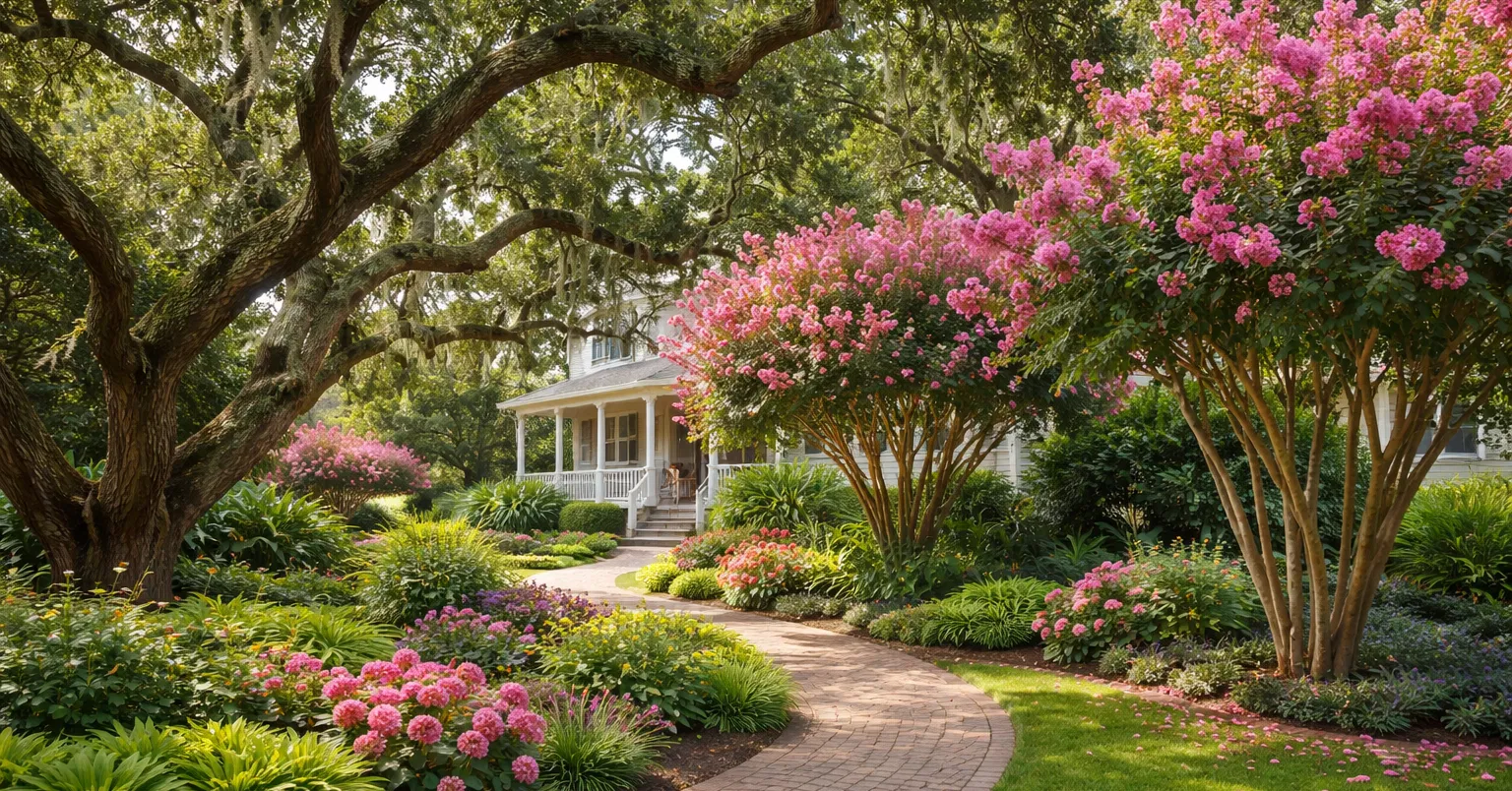
The best defense against salt damage is selecting the right genetic material. Native species have evolved over thousands of years to withstand these conditions. They typically have specific adaptations, such as thick, waxy cuticles that prevent salt entry, or the ability to sequester salt in old leaves which are then shed.
When planning a coastal landscape, it’s important to consider the exposure zone of your property. Zone 1 is direct oceanfront, while Zone 2 is behind the first line of dunes or houses. For a detailed list of suitable plants, the NC State Extension is an invaluable resource.
| Salt Tolerance Level | Recommended Species | Key Characteristics | Best Planting Location |
|---|---|---|---|
| High Tolerance | Live Oak (Quercus virginiana) | Evergreen canopy, strong structure, waxy salt-resistant leaves | Oceanfront or fully exposed sites |
| High Tolerance | Eastern Red Cedar (Juniperus virginiana) | Hardy evergreen, dense windbreak potential | Oceanfront or exposed coastal zones |
| Moderate Tolerance | Cabbage Palmetto (Sabal palmetto) | Resilient trunk, classic coastal appearance | Semi-protected coastal areas |
| Moderate Tolerance | Southern Magnolia (Magnolia grandiflora) | Glossy, thick leaves, moderate salt resistance | Semi-protected locations |
| Low Tolerance | Flowering Dogwood (Cornus florida) | Delicate foliage, prone to salt burn | Inland or fully protected settings |
| Low Tolerance | Maple Species (Acer spp.) | Thin leaves, sensitive root systems | Inland and sheltered areas |
Can Salt Damage Be Reversed in Established Trees?
If you have trees that are suffering from salt stress, there are steps you can take to help them recover. The most effective method is leaching. This involves applying generous amounts of fresh water to the soil to flush the salts down below the root zone. This is particularly important after a storm surge or a long period of dry, windy weather.
Soil Amendments and Mulching
Incorporating organic matter and gypsum into the soil can also help. Gypsum (calcium sulfate) replaces the sodium in the soil with calcium, allowing the sodium to be leached away more easily. Mulching is another simple but critical step. A thick layer of mulch reduces evaporation, which prevents salt from concentrating in the topsoil as water dries up. Guides from Gardening Solutions suggest this is vital for coastal landscape longevity.
The Role of Windbreaks
Creating a microclimate is an advanced landscaping technique used on the Outer Banks. By planting a “sacrificial” row of highly salt-tolerant shrubs or trees on the windward side of your property, you can lift the salt spray stream over more sensitive plants.
Species like Wax Myrtle or Yaupon Holly are excellent candidates for this front line of defense. They are tough, grow quickly, and can handle the brunt of the salt spray, creating a protected pocket of air behind them where more delicate ornamental trees can thrive.
FAQ
Can I wash the salt off my trees after a storm?
Yes, rinsing your trees with fresh water after a storm is highly beneficial. Using a hose to spray down the foliage washes away salt deposits before they can burn the leaves. Do this early in the morning to allow the leaves to dry before nightfall, reducing fungal risks.
How do I know if my soil has too much salt?
A soil test is the only way to know for sure. You can send a sample to the NC Department of Agriculture or use a local extension service. Ask specifically for an electrical conductivity (EC) test, which measures the salinity levels in the soil.
Will gypsum fix salt damage on leaves?
No, gypsum is a soil amendment. It helps improve soil structure and remove sodium from the root zone, but it cannot repair physical damage already present on the leaves. Leaf tissue that is necrotic (dead) will not turn green again; the goal is to protect new growth.
Why are my trees turning brown on one side only?
This is likely due to directional salt spray. The side facing the ocean or the prevailing wind direction receives the heaviest load of salt, killing the foliage on that face. This is a classic sign of salt spray injury rather than a systemic disease.
Can palm trees handle salt better than oak trees?
Generally, yes, many palm species are highly salt-tolerant. However, the Live Oak is the king of the maritime forest and is exceptionally adapted to salt spray. While palms are good, a mature Live Oak offers superior wind resistance and shade while handling salt just as well.
How deep should I water my trees to flush out salt?
You should aim to apply roughly 6 inches of water over the root zone to effectively leach salts. This deep watering pushes the salt below the main feeder roots. Repeat this process two or three times over a few days if you suspect high salinity from a recent surge.
If trees show persistent salt stress, a professional evaluation can help prevent long-term decline.
Conclusion
Gardening on the Outer Banks is a partnership with the environment. You cannot eliminate salt spray, but you can manage its effects. By choosing resilient species like Live Oak and maintaining a regimen of deep watering and mulching, you can enjoy a lush landscape despite the harsh conditions. Remember that a brown leaf is a distress signal, not a death sentence. With the right care and timely intervention, your trees can adapt and thrive in this unique coastal ecosystem.